Home › Japanese kale for eyesight · Updated Nov 2026
Japanese Kale for Eyesight: What Is It Really? Yomogi Explained
A viral video talks about a “Japanese kale” for vision. We looked into it: the plant is yomogi, Japanese mugwort. Here’s what it is, what science says about it and the eyes, and what actually helps your eyesight.
In 30 seconds
- The “Japanese kale”Yomogi (Artemisia princeps), Japanese mugwort
- Is it kale?No. It’s an aromatic herb from the daisy family
- Traditional usesKusa mochi, tea, soups, moxibustion
- Evidence for eyesEarly lab and animal research; limited human data
Official website · 60-day refund policy
What is the “Japanese kale” from the video?
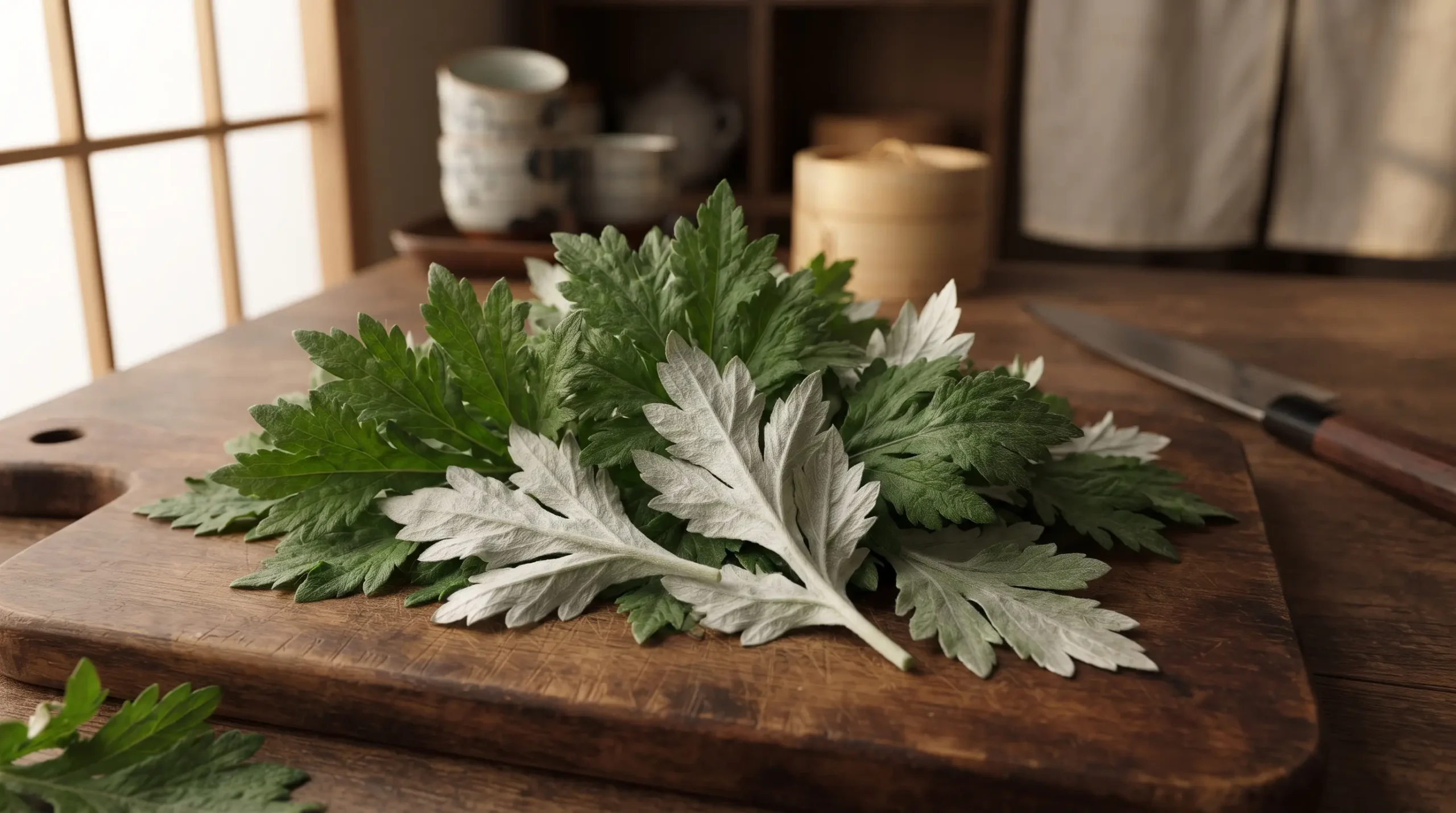
The sales video calls it a “Japanese kale” without naming it at first. Later it’s revealed as yomogi, the Japanese name for Artemisia princeps. Despite the nickname, it isn’t a cabbage-family vegetable like kale. It’s an aromatic herb with soft, silvery-backed leaves that grows wild across Japan and Korea, where it’s called ssuk.
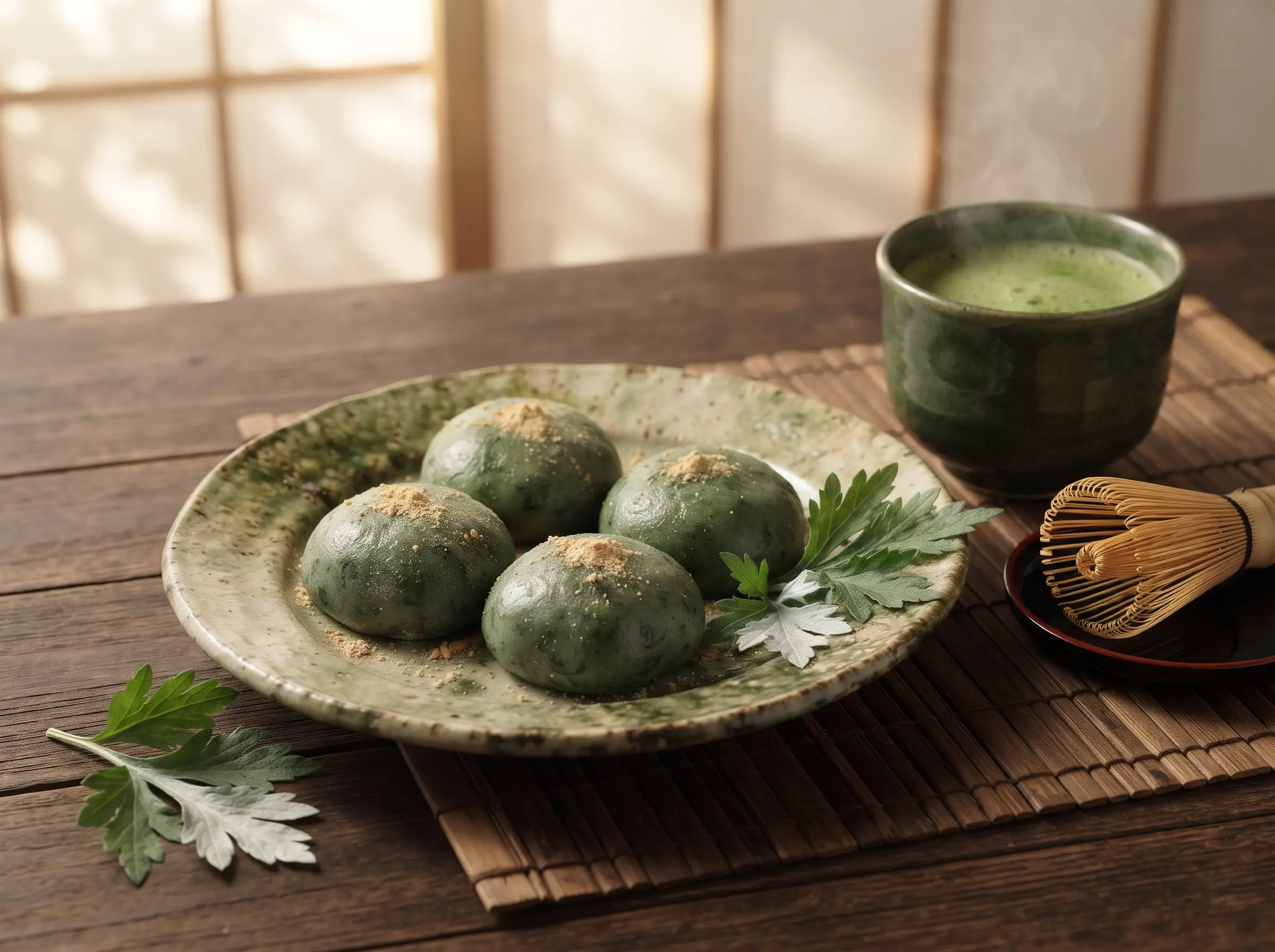
How yomogi is traditionally used
- Food: it gives kusa mochi (grass rice cakes) their green color and herbal flavor
- Tea: dried leaves are brewed as an herbal tea
- Moxibustion: the fluffy “moxa” used in traditional Japanese medicine is made from dried mugwort
- Baths and folk remedies in Japanese and Korean traditions
Yomogi for eyes: what the science says
Yomogi contains flavonoids such as eupatilin and jaceosidin, which have antioxidant and anti-inflammatory activity in laboratory studies. Researchers have tested Artemisia extracts in cell and animal models of eye stress.
That research is early. We didn’t find solid human trials showing that yomogi improves eyesight. It’s best seen as an interesting plant with antioxidant compounds, not a proven vision treatment.
Yomogi extract benefits being studied
- Antioxidant activity against cell damage
- Anti-inflammatory effects in lab models
- Traditional use for digestion and circulation (limited modern evidence)
Safety
Avoid mugwort if you’re pregnant or breastfeeding, or allergic to ragweed, chamomile or other daisy-family plants. Talk to your doctor if you take prescription medication.
The 4-ingredient formula from the video
In the video, yomogi is one of four ingredients in a supplement called Sharp Vision. The other three are alpha lipoic acid, quercetin and lycopene, all well-known antioxidants.
Alpha lipoic acid (ALA)
An antioxidant the body makes in small amounts. It’s best known from research on nerve health, and scientists have explored its antioxidant role in eye tissue, mostly in lab and animal studies.
Also found in: spinach, broccoli, organ meats
Quercetin
A plant flavonoid with antioxidant and anti-inflammatory activity. Lab studies have looked at how it protects retinal cells from oxidative stress.
Also found in: onions, apples, capers, green tea
Lycopene
The red carotenoid in tomatoes. It’s a strong antioxidant, and diets rich in carotenoids are associated with better eye health in observational research.
Also found in: tomatoes, watermelon, guava, pink grapefruit
Yomogi (Japanese mugwort)
A traditional herb in Japan with antioxidant plant compounds. Human research specific to vision is limited.
Also found in: Japanese teas, sweets and traditional remedies
Want the full picture, with side effects, price and the guarantee? Read our Sharp Vision review.
See Sharp Vision on the official site →Plot twist: regular kale really is great for your eyes
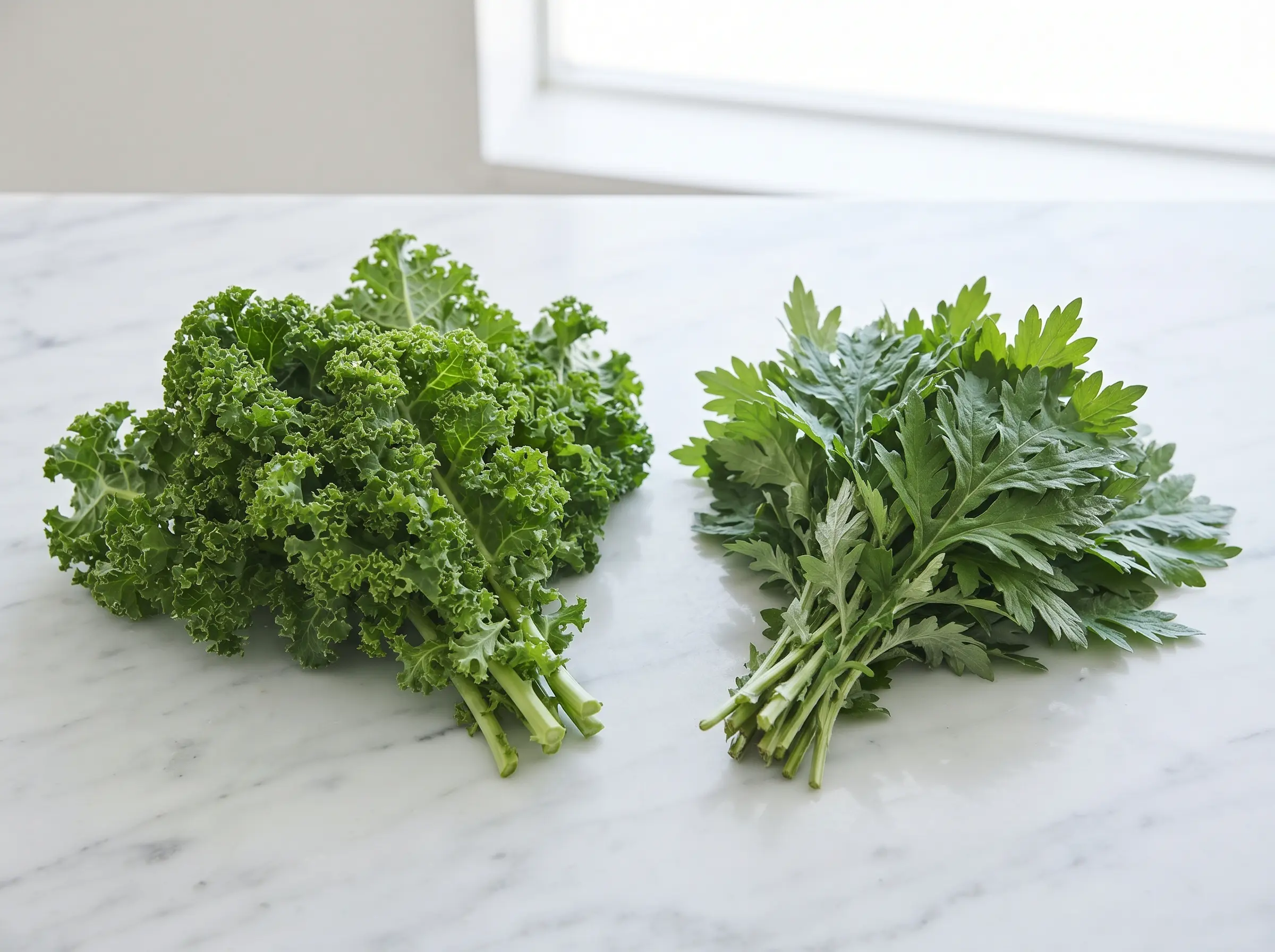
The ordinary kale at your grocery store is one of the richest food sources of lutein and zeaxanthin. These pigments collect in the macula, the center of the retina, and they’re the nutrients with the strongest clinical evidence for age-related eye health, from the large AREDS2 study.
Simple habits that support your eyesight
- Eat leafy greens (kale, spinach), eggs and colorful vegetables
- Follow the 20-20-20 rule on screens: every 20 minutes, look 20 feet away for 20 seconds
- Wear UV-blocking sunglasses outdoors
- Don’t smoke, and manage blood sugar and blood pressure
- Get a dilated eye exam regularly, especially after 40
Frequently asked questions
What is the Japanese kale for eyesight?
The ‘Japanese kale’ in the viral video is yomogi, Japanese mugwort (Artemisia princeps). It’s an aromatic herb, not a type of kale.
Does yomogi improve vision?
Yomogi contains antioxidant flavonoids studied in labs and animals, but there are no solid human trials showing it improves eyesight.
What are the benefits of yomogi extract?
Research is looking at its antioxidant and anti-inflammatory activity. It’s traditionally used in food, tea and moxibustion.
Is yomogi safe?
It’s widely eaten in Japan, but avoid it if you’re pregnant or breastfeeding or allergic to daisy-family plants, and check with your doctor if you take medication.
Which supplement from the video contains yomogi?
The video presents Sharp Vision, a supplement combining yomogi extract with alpha lipoic acid, quercetin and lycopene.
What foods are actually best for eyesight?
Leafy greens like kale and spinach, eggs and colorful vegetables, rich in lutein and zeaxanthin, have the strongest evidence for eye health.
Check the current offer
See today’s packages, bonuses and the 60-day refund policy on the official Sharp Vision website.
Go to the official Sharp Vision site →You’ll be redirected to the official checkout